No. Social media posts do not replace Google Search ads for a plumber who needs to reach people actively looking for service. Posts can show your work and build familiarity, but they do not put your business in front of the same search intent. Use booked jobs—not likes—to decide whether either channel earns its place.
- Can social media posts replace Google ads for a plumber? No. Organic posts and paid search serve different jobs.
- Google Search ads suit active service searches; organic social posts suit showing work and staying familiar.
- Judge plumbing marketing by qualified calls, booked jobs, and completed work—not reactions alone.
- Moore Media Collective provides plumbing website design and social media management, not a substitute for customer demand.
Can social media posts replace Google ads for a plumber?
Not as a like-for-like replacement. A Google Search ad responds to a search. An organic social post appears through a feed, a shared post, or a visit to your profile. That difference matters when somebody needs a plumber rather than plumbing advice.
A homeowner searching for drain cleaning has stated a need. Someone scrolling past your drain-cleaning video has not. Both people can become customers, but the next step is different.
Use this comparison to assign each channel a job. For the posting side, the social media management guide for plumbing companies covers the broader approach.
| Option | Best for | Main advantage | Main limitation |
|---|---|---|---|
| Organic social posts | Showing real work and staying familiar | Give people visible examples of your business | Reach does not establish an immediate need for plumbing service |
| Google Search ads | Reaching people searching for a relevant service | Connect an ad with a stated search | Paid clicks can still produce unsuitable inquiries |
| Posts and Search ads together | Supporting discovery and customer checks | Give each channel a separate role | Require separate tracking and ongoing attention |
This is a channel comparison, not a promise of bookings. Neither a published post nor an ad click means a job is yours.
Why this matters
Your 2026 marketing plan needs a route from attention to a completed job. A busy social page is not that route by itself. Neither is an advertising account with plenty of clicks.
Think about the homeowner's task. A person with a leaking pipe needs to know whether you handle the problem, serve the address, and offer a clear way to contact you. A post about your company picnic does not answer those questions.
The same test applies to your website. If an ad sends someone to a page that hides the phone number or leaves the service area unclear, posting more often does not fix the problem. Fix the next step before adding more traffic.
Organic social posts: best for showing the business behind the truck
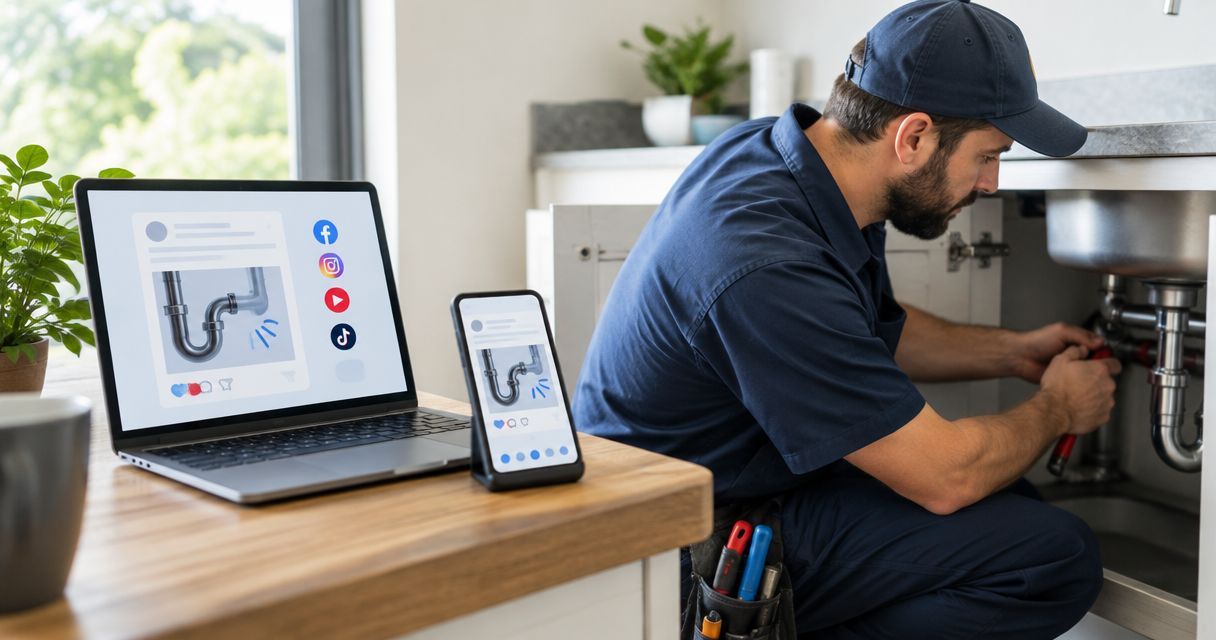
Organic posts give you room to show actual jobs, explain common problems, and introduce the people customers will meet. They also give someone checking your business something more useful than an empty profile.
Keep the content tied to work you actually perform. A plumber can explain what a homeowner should report when calling about a leak. A roofing company can show a completed repair with permission. A landscaper can explain the maintenance behind a finished yard.
The downside is control. Publishing a post does not guarantee that a homeowner in your service area sees it at the moment they need help. A popular post can also attract people who will never hire you.
Use social posts as proof, not proof of demand. A real project can support credibility. Reactions to that project do not establish how many plumbing jobs it produced.
For your 2026 content plan, separate useful service information from filler. Before publishing, ask whether the post answers a customer question, shows relevant work, or makes contacting you clearer. If it does none of those things, give it another pass.
Google Search ads: best for reaching an active search
Google Search ads let you advertise against relevant searches and direct people to a chosen page. That makes them a different tool from organic posting. The starting point is the customer's search, not your publishing schedule.
For a plumber, a search about a blocked drain calls for a different message from a search about bathroom remodeling. Match the advertised service to the destination page. Do not make every visitor sort through your entire business to find the answer.
The limitation is straightforward: a click is not a qualified lead. An inquiry can fall outside your service area, concern work you do not perform, or arrive when your team cannot respond. Ads also require spend and management.
Google Ads includes formats beyond Search. This article compares ordinary social posts with Google Search ads because the question is whether posting can replace reaching someone actively searching. Paid social advertising is another channel, not the same thing as publishing an organic post.
Why the right channel mix varies
There is no universal split between posting and search advertising. Build your 2026 plan around the work you want and the inquiries you can handle.
- Job type. An urgent plumbing problem and a planned replacement create different customer questions. Match the message to the service.
- Service area. A relevant inquiry still needs to come from an address you serve. Local attention outside that area does not fill your schedule.
- Existing relationships. Posts can keep your name in front of people already connected with your business. That audience is different from people searching without knowing your name.
- Website clarity. Visitors need a clear service description, service area, and contact route. Neither channel excuses a confusing page.
- Response capacity. Your team needs a workable process for calls, messages, and forms. Do not promote a contact method nobody monitors.
- Lead records. Channel decisions need a record of inquiries and outcomes. Engagement totals alone cannot tell you which jobs were booked.
These factors are operating decisions, not reasons to chase every platform. Pick the work first. Then choose how to reach and serve that customer.
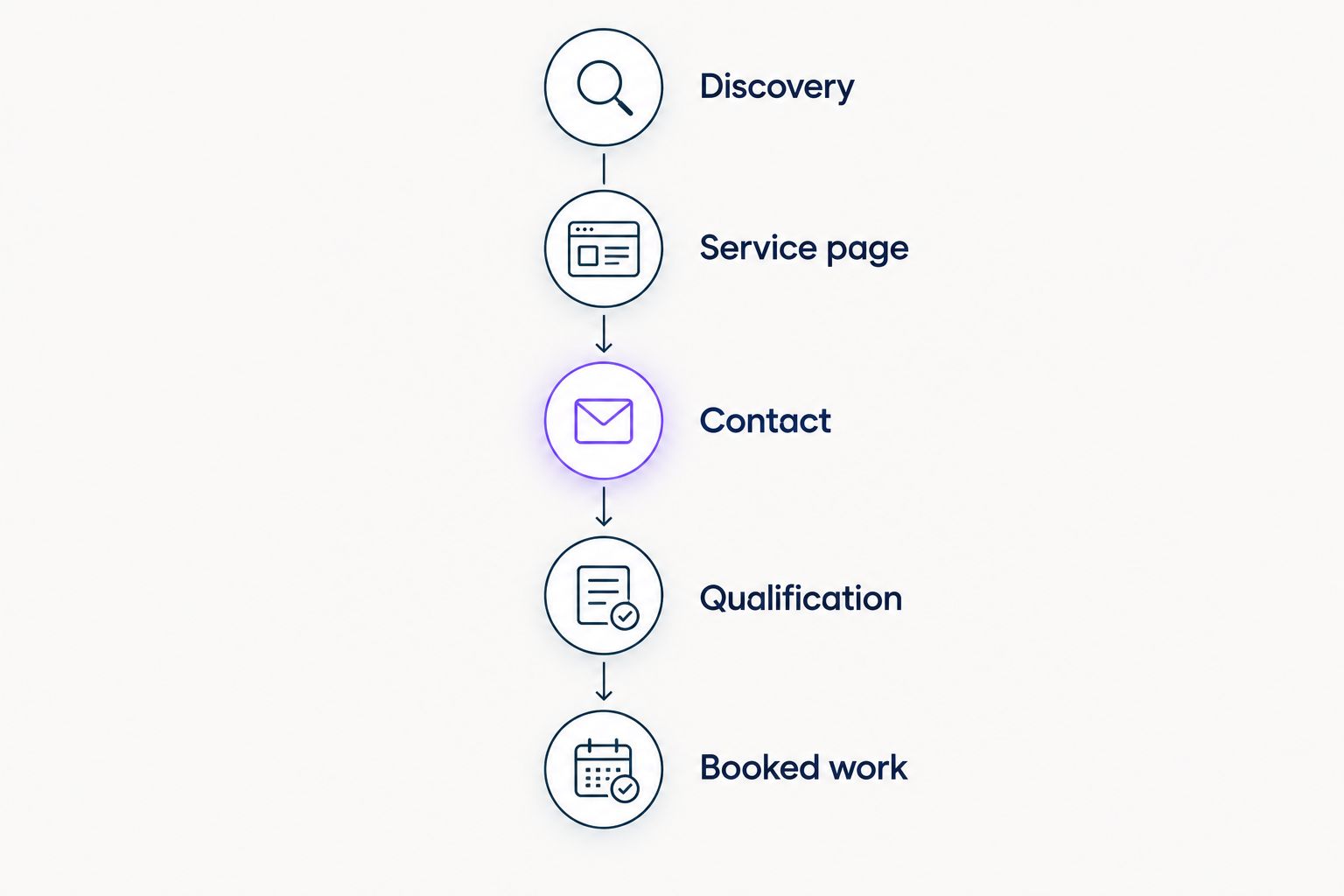
Check the path from attention to booked work
Use this sequence before replacing a channel. Each step answers a different question, so keep the records separate.
1. Discovery
Record where the inquiry came from. Use tagged links for social posts and appropriate conversion tracking for advertising. Ask callers how they found you, while recognizing that their answer can describe only part of the journey.
Someone can see your truck, check your social page, and later search your name. Do not force that history into a claim that a single post caused the job.
2. Service page
Send visitors somewhere that answers their immediate question. State the service, the area covered, and how to reach your business. Use accurate work photos and customer feedback only with the necessary permission.
For example, a Kansas City plumber advertising drain cleaning needs a page about that service and its actual coverage—not a vague promise to handle everything everywhere.
3. Contact
Test the phone link and inquiry form on a mobile device. Submit a test request and check where it arrives. A working form needs a working response process behind it.
Keep requests practical. Ask for information your team needs to decide whether it can help, rather than turning a basic inquiry into paperwork.
4. Qualification
Record whether the inquiry matches your services and coverage. Separate genuine potential jobs from spam, supplier messages, employment inquiries, and requests you cannot fulfill.
This is where a large lead total can lose its meaning. Count the inquiries your business can actually act on.
5. Booked work
Connect qualified inquiries with appointments and completed jobs. Keep cancellations and unsuitable work visible rather than burying them in a single lead total.
For your 2026 review, compare channels over the same reporting period. Separate emergency service from planned projects so you do not mistake different buying patterns for better marketing.
When should you reduce Google Search ads?
Reduce or pause ads when your own records and operating needs support that decision—not because a post got attention. Check whether inquiries fit the work you want, whether your team can respond, and whether the landing page answers the search.
If ads produce unsuitable inquiries, inspect targeting, search terms, and page messaging before declaring the whole channel wrong. If suitable inquiries arrive but do not become appointments, inspect the response and booking process.
A full schedule also changes the decision. Advertising for work you cannot accept is different from advertising that fails to attract work. Keep those problems separate.
Can a plumber get jobs from social posts alone?
Yes, a social post can lead to a plumbing job, but that does not make posting a dependable replacement for search advertising. A past customer can see your work, remember your name, and contact you. Whether that fills your schedule is a question for your booking records.
Do not confuse a possible outcome with a repeatable plan. Keep recording the source and result of inquiries before dropping another channel.
Do you need a better website before posting more?
You need a clear, working destination before sending more people to it. That does not automatically mean a complete redesign. It means checking the service information, phone links, forms, and mobile experience first.
For a plumber, the practical test is simple: can a homeowner tell whether you handle the problem and contact you without hunting? Fix anything that blocks that task. Treat design changes as proposed work that requires your approval before publication.
Where website design and social management fit
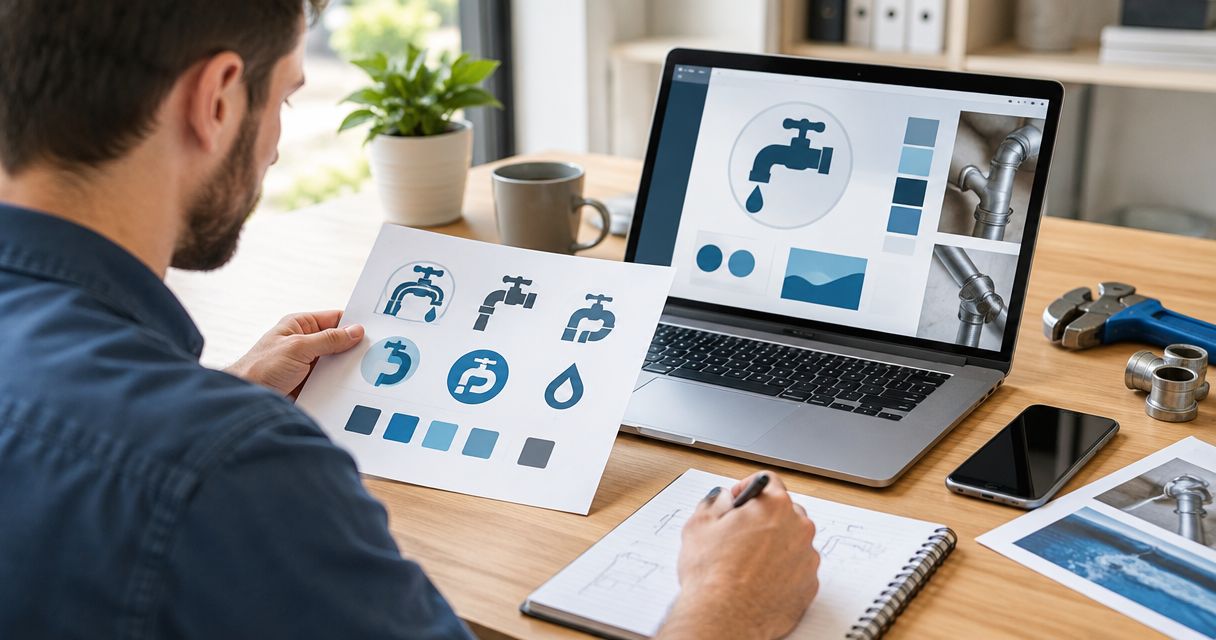
Moore Media Collective is best for trade owners seeking website design and social media management. Its stated services also include logo design and branding for HVAC, plumbing, roofing, and landscaping companies.
That scope fits an owner who needs the business to look consistent across a website and social profiles. It does not make social management interchangeable with paid search. Keep the deliverables tied to the problem you are solving.
Before choosing an agency, define who supplies project photos, approves posts, answers messages, and owns the accounts. Ask how proposed website changes reach you for approval. Clear responsibilities matter as much as a publishing calendar.
Review Moore Media Collective's services against that brief. Buy the work you need, not an expectation that a better-looking feed automatically fills the calendar.
FAQ
Can social media posts replace Google ads for a plumber in 2026?
No, social media posts are not a like-for-like replacement for Google Search ads. Posts show your business to an audience; Search ads respond to relevant searches. Decide what to keep using qualified inquiries and booked jobs.
Is Facebook posting better than Google Search ads for emergency plumbing?
Google Search ads are the more direct match for an active emergency-service search. A Facebook post does not establish that the person seeing it currently needs a plumber. Neither channel guarantees a booking.
Should I stop Google ads if my plumbing posts get lots of likes?
No. Likes do not establish how many qualified plumbing inquiries or booked jobs a post produced. Check the source and outcome of inquiries before changing your advertising.
Can social media help customers trust my plumbing company?
Social media can show real work, explain your services, and introduce your team. Use accurate material and obtain permission before publishing customer details or identifiable project photos. Posting alone does not prove workmanship.
Do I need a new plumbing website before running ads?
You need a clear, working page, not automatically a new website. Test service information, coverage details, phone links, and inquiry forms before sending more visitors.
Does Moore Media Collective offer plumbing social media management?
Yes. Moore Media Collective provides social media management and website design for plumbing and other trade companies. Define the deliverables, approval process, and account responsibilities before choosing the service.
One last thing
Test the customer's next step, not just the post. Open your latest service post on your phone. Follow its contact route and check whether the request reaches the person responsible for answering it.
Make that part of your 2026 marketing routine. A clear handoff is more useful than another post pointing at a dead end.